Bharti Airtel Lanka, marketed simply as Airtel, is the smallest of Sri Lanka's four national mobile operators by subscriber count and the only one that is a direct subsidiary of a foreign parent based outside the Hutchison or Axiata corporate families. The operator has been a quiet presence in the Sri Lankan market since 2009 and has, throughout its history, positioned itself at the entry-level end of the prepaid menu. This is a reader's review of what Airtel currently publishes and how it compares with the rest of the market.
The operator, briefly
Airtel's Sri Lankan operations are owned by Bharti Airtel Limited, the Indian-headquartered telecoms group that operates one of the largest mobile networks on the subcontinent. The Sri Lankan subsidiary was established in 2009, after Airtel acquired the local operations of a small operator that had previously traded as MTN Lanka, and has operated continuously under the Airtel brand since.
The headquarters and principal customer-service centre are in Colombo, on Galle Road in Colombo 03. The retail network is the smallest of the four operators — concentrated heavily in Colombo, the Western Province more broadly, and the Northern Province, where the operator has historically had a stronger subscriber base than its national average. Outside these areas, the retail presence is modest, and walk-in service for plan changes, port-ins, or device-related queries can require some travel.
Coverage and the network itself
Airtel operates a 4G/LTE network and, in the operator's public claims, has national coverage with particular density in the Colombo and Jaffna metropolitan areas. The reality, as documented in LIRNEasia consumer-survey data over several years, is more nuanced: in Colombo, the network performs adequately; in Jaffna, the operator's historical strength persists; in the rest of the country, coverage is the most limited of the four operators.
For visitors and residents in central Colombo, Airtel is, on a like-for-like price-per-data comparison, frequently the cheapest of the four operators. For visitors planning a Sri Lankan itinerary that ventures outside the principal urban centres, Airtel is the operator we would caution against most strongly on coverage grounds — the network is simply not present, or not present at usable signal strength, in many of the smaller towns and rural districts where Dialog or Mobitel users would be unaware of any signal issue.
The prepaid line-up
Airtel's prepaid menu is the smallest of the four operators, in absolute terms. The operator typically publishes between six and ten distinct prepaid plans on the public listing at any one time, organised more simply than its three competitors' offerings.
The current bands, as published, fall into two principal categories rather than the three offered by Dialog, Mobitel, and Hutch:
- Entry-level prepaid. Single-digit gigabyte allowances at sub-LKR 500 monthly prices. This is the most-marketed band of Airtel's menu and reflects the operator's strategic positioning at the price-sensitive end of the market.
- Mid-tier prepaid. Tens-of-gigabytes allowances at prices in the LKR 500 to LKR 1,500 range. The mid-tier plans are present but less aggressively marketed; the operator's primary strategic emphasis is at the entry level.
The high-volume prepaid band that the other three operators publish is, in Airtel's case, either absent or substantially less generous in the data allowances offered. Subscribers whose usage is heavy enough to require a 100+ GB monthly allowance will, in our editorial reading of the current listings, find Airtel's offerings less competitive than the other three operators'. This is consistent with the operator's strategic positioning: Airtel's market is the price-sensitive entry-level subscriber, and the operator does not invest heavily in marketing to heavier users.
The postpaid line-up
Airtel's postpaid offerings are, like the rest of the menu, modest in scale. The operator publishes a small set of monthly-billed plans at price points roughly comparable to the higher end of the prepaid menu, with the standard twelve-month minimum subscription typical of Sri Lankan postpaid offerings. The postpaid component of Airtel's business is, in proportion to the prepaid base, smaller than at any of the three competitors.
What the listing does not tell you, easily
Three categories of information are easy to miss on a quick read of Airtel's listing.
The first is the question of "Airtel-to-Airtel" pricing, which is more central to the operator's plan structure than at any of the three competitors. Several of Airtel's prepaid plans bundle a generous allowance for calls and SMS within the Airtel network at a substantially smaller allowance for calls and SMS to other operators. For a subscriber whose social and professional contacts are predominantly Airtel users (which is more common in the Northern Province than elsewhere in Sri Lanka), this on-net pricing is meaningful. For a subscriber whose contacts are spread across the four operators in the typical Sri Lankan pattern, the on-net component of the bundled allowance is mostly unused.
The second is the question of validity. Airtel's prepaid bundles are typically 30-day, like the rest of the market, but the operator publishes occasional shorter-validity plans (7-day or 14-day) targeted at very low-volume users. The validity period is disclosed in the listing but is not always part of the headline, and a 7-day plan at LKR 100 is, on a per-month basis, comparable to a 30-day plan at LKR 400.
The third is the question of network roaming. Subscribers travelling between regions of Sri Lanka — for example, between Colombo and Jaffna — should not, in normal use, encounter any roaming charges, and the operator does not publish any. The phrase "roaming" appears in the small print of some Airtel plans, however, in the context of international roaming for Sri Lankan subscribers travelling abroad. We mention this only because the proximity of the word in different contexts can be confusing on a quick read.
How to reach the operator
For activations, plan changes, billing disputes, and port-in or port-out, Airtel publishes a customer-service hotline (number listed on the operator's website) and maintains walk-in centres concentrated in Colombo and Jaffna. Subscribers in other parts of the country may need to travel to reach a Airtel counter, or to use the operator's hotline and online channels for most transactions.
A reader's view
Airtel is the operator most clearly positioned at the entry-level end of the Sri Lankan mobile market. For price-sensitive subscribers in Colombo and the Northern Province, the operator's prepaid pricing is genuinely competitive, and for the use cases the operator is best suited to, the public service is reasonable. Outside these geographic areas, and outside the entry-level usage pattern, the trade-offs become harder to defend: the coverage is the most limited of the four operators, the high-volume plans are less competitive than at the other three, and the retail network is small enough that walk-in service is not always practical.
For most readers — Sri Lankan or visiting — one of the larger three operators will be a more appropriate choice. For readers in the specific market segments that Airtel serves well, the operator is a reasonable option, and the public listings, in their relative simplicity, are the easiest of the four to read.

Chamath Perera
Chamath read Economics at the University of Colombo and worked for several years as a researcher on the LIRNEasia telecommunications policy team. He covers operator-level reviews and the wider sector for Dialoq.
Other reviews from the desk
 Operators
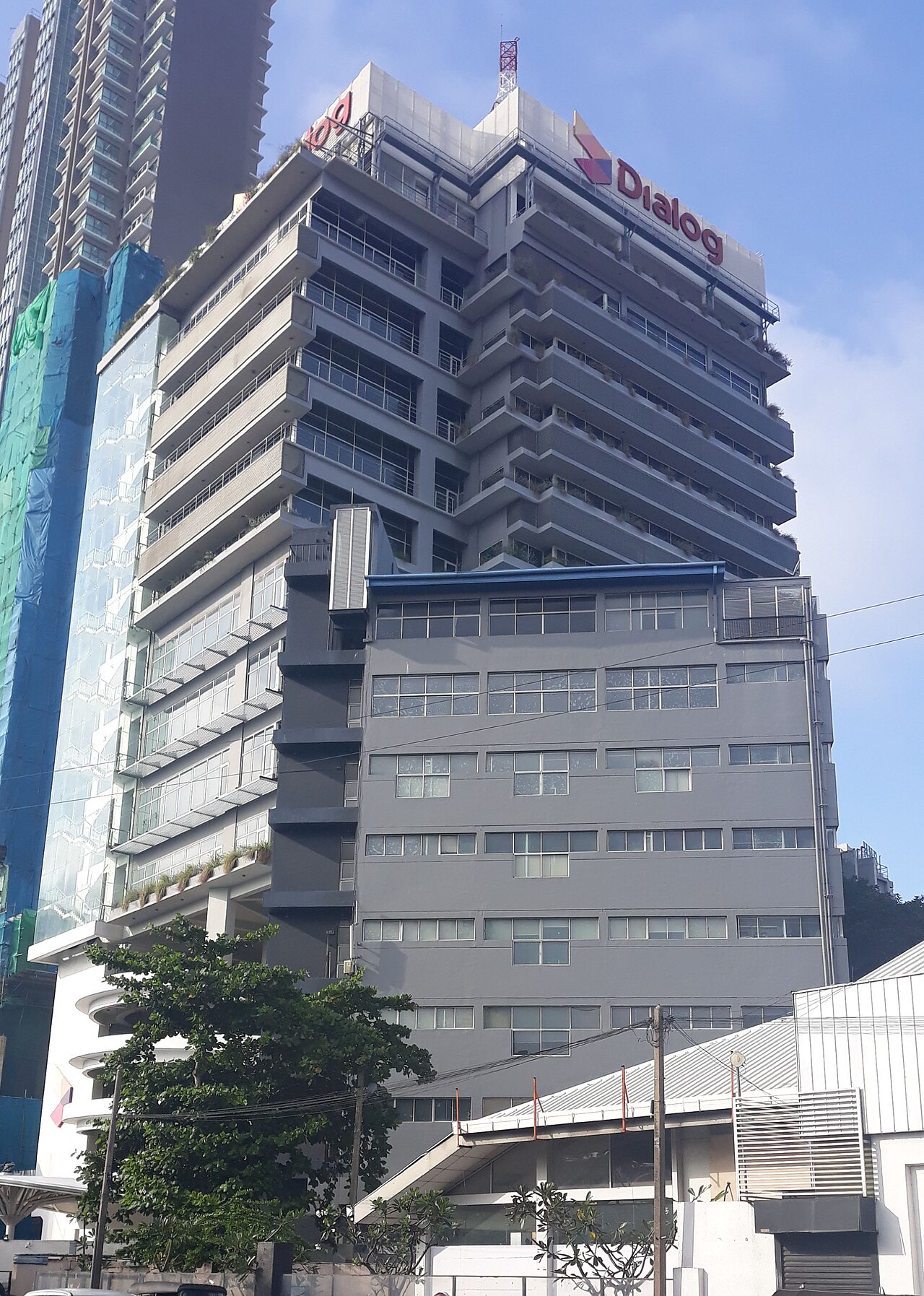
Dialog Axiata: A Reader's Review of the Country's Largest Mobile Network
Dialog is the largest mobile operator in Sri Lanka by subscribers and the most visible brand in Colombo's telecom market. A reader's review of the network's coverage, its prepaid and postpaid line-ups in 2026, and where its public listings genuinely help compared with other operators.
 Operators
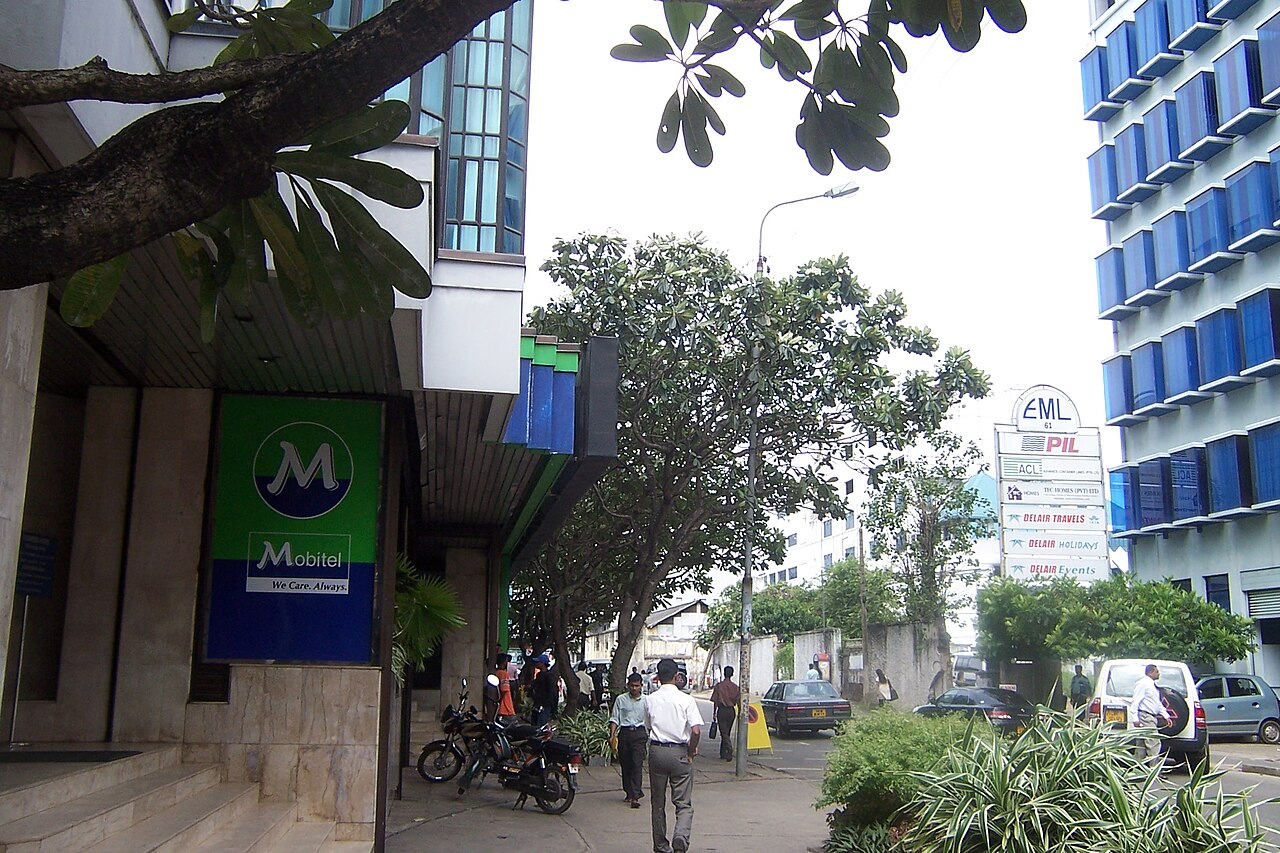
SLT-Mobitel: The State-Backed Operator, Reviewed
Mobitel — formally Sri Lanka Telecom Mobitel since the 2021 group restructuring — is the country's second-largest mobile network and the only operator with a state shareholder. A review of its public plan listings, its rural coverage, and how its position in the SLT group shapes what it offers subscribers.
 Operators
Hutch: The Smaller Operator, on the Ground
Hutch — Hutchison Telecommunications Lanka — is the smallest of Sri Lanka's four national mobile operators by subscriber count, and the one our editors find most often misrepresented in foreign-language coverage. A review of what the network is currently publishing and what its smaller scale means in practice for everyday users.