
This piece is the slowest read on the site. We sit down with a single typical operator data-plan listing — the kind of page that a reader visiting any of the four operators' websites encounters when they click "Mobile Data Plans" or its local equivalent — and we walk through it line by line. The aim is not to recommend any plan in particular but to explain what each line tends to mean across the listings of all four operators, and where the explanatory footnotes hide. By the end of the piece, a reader who returns to any operator's listing should be able to read it more quickly and with sharper attention to the parts that genuinely matter.
What a typical data-plan listing contains
The listings published by the four Sri Lankan operators differ in detail but share a common structure. A single data-plan entry, as it appears on the operator's listing page, typically contains:
- A plan name or code. Often a marketing phrase ("Sky Bundle", "Power Pack") followed by a numerical identifier. The numerical identifier is sometimes the price in rupees and sometimes the data allowance in gigabytes; both conventions exist across the four operators, and on at least one operator's listing both are used in different parts of the menu.
- A headline price, usually in LKR per month or per 30-day period. The price is sometimes presented inclusive of telecommunications-sector taxes and sometimes exclusive; the convention is disclosed in a small notice somewhere on the page, but the placement varies.
- A headline data allowance, in gigabytes per period. The headline figure is sometimes the total allowance and sometimes the "anytime" component of a split allowance; we discuss the distinction below.
- A voice allowance, in minutes per period. This is sometimes broken down by within-network and out-of-network minutes; the distinction matters more on Airtel than on the other three operators.
- An SMS allowance, in messages per period. Less prominently marketed, since SMS volumes have declined sharply across the market over the past decade.
- A validity period, almost always 30 days but occasionally 7, 14, 60, or 90 days. The validity is sometimes presented as part of the headline and sometimes only in the small print.
- A series of footnote markers (asterisks, daggers, superscript numbers) referring to clarifying notes lower on the page. These cover application-specific allowance caps, off-peak data, post-allowance throttling speeds, and tax treatment.
What the headline data allowance does not always tell you
The "10 GB" or "20 GB" figure that appears prominently in a plan's headline rarely tells the whole story. The operators frequently structure data allowances in three sub-categories:
Anytime data
The portion of the allowance available 24 hours a day for any internet usage. This is the figure that reasonable readers would assume "data allowance" means; it is, in many of the operators' listings, smaller than the headline allowance suggests.
Off-peak (or night-time) data
The portion of the allowance available only during specified hours, most commonly midnight to 06:00 or 09:00. The off-peak component is intended to encourage time-shifting of large downloads and software updates, but in practice it is unused by most subscribers and serves principally to inflate the headline allowance figure.
Application-specific data
An allowance ring-fenced for traffic to specific applications — most commonly WhatsApp, Facebook, YouTube, or TikTok. The application-specific allowance is typically much larger than the general-purpose allowance in the same plan and is, in some cases, marketed as the principal feature of the plan. Traffic to applications outside the ring-fenced list counts against the smaller general-purpose allowance.
A plan headlined as "30 GB / LKR 999 / 30 days" might, on closer reading, decompose as: 5 GB anytime, 10 GB midnight–06:00, 15 GB WhatsApp/Facebook/YouTube only. A subscriber who uses their line primarily during the day and primarily for general-purpose internet (browsing, navigation, work email) would have a practical-effective allowance of 5 GB, not 30. The footnotes disclose this; the headline does not.
What "post-allowance throttling" means
When the bundled allowance is exhausted, the operators do not, in general, terminate the connection. They throttle it — reduce the available bandwidth to a level too low to be usable for video streaming, video calls, or any reasonably modern web browsing, but adequate for WhatsApp text messages and basic email retrieval.
The throttled speeds disclosed in current operator listings range, across the four operators, from 64 kbps to 128 kbps. The historical convention was 64 kbps; the trend over the past three years has been gradually upward, partly because the headline figures look better and partly because the operator-side cost of providing higher minimum bandwidth has fallen. For practical purposes, however, no throttled speed in this range is sufficient to support modern data-heavy applications, and the practical-effective allowance of any plan is the bundled allowance — not the bundled allowance plus an open-ended throttled tail.
The throttling is sometimes represented in the small print as "speed reduced to 64 kbps after FUP" — Fair Usage Policy. The acronym is not always defined on the page where it appears.
What "out-of-bundle rates" mean for prepaid users
On prepaid plans, the situation when the allowance is exhausted is sometimes more complicated than throttling. Some operators throttle (as above); others charge per-MB at a separate, higher, "out-of-bundle" rate that is debited from the subscriber's prepaid balance. The convention varies by plan and by operator, and the small print is the only authoritative source.
The out-of-bundle rate, when it applies, is typically expressed in LKR per MB, and is on the order of LKR 0.10 to LKR 1.00 per MB depending on operator and plan. At LKR 1.00 per MB, a single Instagram-quality image upload (around 10 MB) costs LKR 10, and a short video call (around 100 MB for ten minutes) costs LKR 100. The out-of-bundle rates compound quickly enough that subscribers exposed to them often find themselves paying multiples of the headline plan price in any given month. The rates exist to encourage subscribers to remain within their bundled allowance; they are not a covert subsidy.
Tax treatment
The four major operators publish their headline prices in different conventions with respect to telecommunications-sector taxes. Sri Lanka levies several specific taxes on mobile-network services, the most visible of which is the Telecommunications Levy. The convention by which a particular plan's headline price treats this levy — inclusive, exclusive, or some specified mixture — is disclosed in the operator's footnotes but is not always part of the headline. A reader comparing prices across operators should verify the convention before drawing a like-for-like conclusion.
How to read a listing now
After the above, a reader returning to an operator's data-plan listing might consider, in order:
- The validity period. Is this a 30-day, 7-day, or other-period plan?
- The headline price. Is the price inclusive of telecommunications-sector taxes or exclusive?
- The headline data allowance. Is this the total allowance or the "anytime" component?
- If split, the anytime, off-peak, and application-specific components.
- The voice and SMS allowances, if relevant.
- The post-allowance behaviour. Throttling at what speed? Out-of-bundle charging at what per-MB rate?
- The footnotes, in full, for any additional qualifications not visible in the main listing.
The reading takes time. The operators' listings are, on the whole, designed to be read in about thirty seconds; a reading that gives the listing the attention it deserves takes more like ten minutes. We think the longer reading is consistently worthwhile, and we have made it the foundation of how the desk approaches its own reviews.
What this site does not provide
This explainer is intended to help readers read public listings; it is not a comparison tool, and it does not recommend a particular plan. We do not have a price-comparison engine, we do not maintain live data feeds from the operators, and we do not, on any page of the site, indicate that one plan is better than another for a particular reader. The choice is between the reader and the operator, and the most current and accurate source for any particular plan is the operator's own listing on the day of the decision.

Ruwan Jayasinghe
Ruwan is a Kandy-based independent technology journalist with fifteen years' experience covering consumer telecommunications across South Asia. He contributes to Dialoq on operator pricing and data-plan structure.
Other reviews from the desk
 Operators
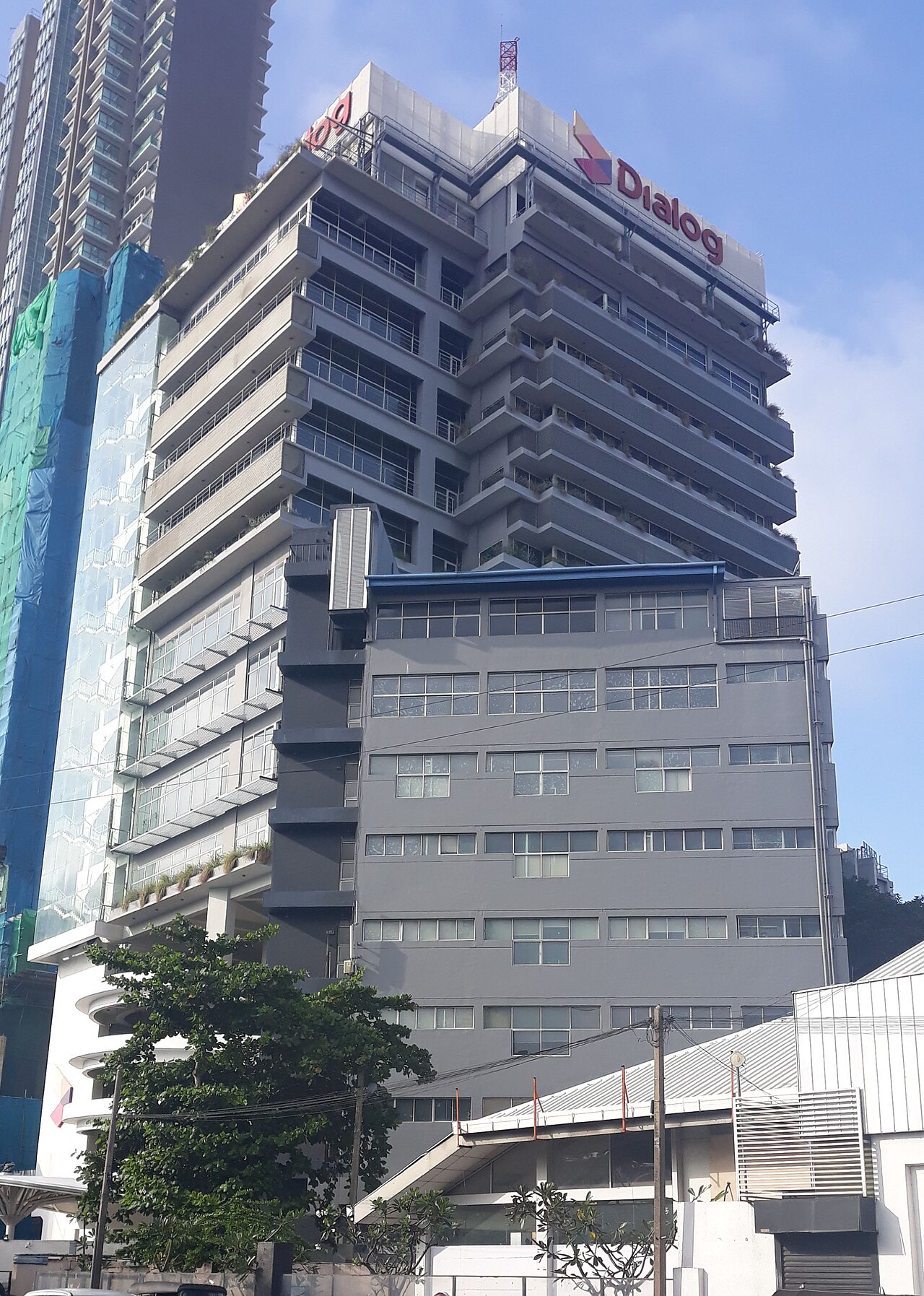
Dialog Axiata: A Reader's Review of the Country's Largest Mobile Network
Dialog is the largest mobile operator in Sri Lanka by subscribers and the most visible brand in Colombo's telecom market. A reader's review of the network's coverage, its prepaid and postpaid line-ups in 2026, and where its public listings genuinely help compared with other operators.
 Operators
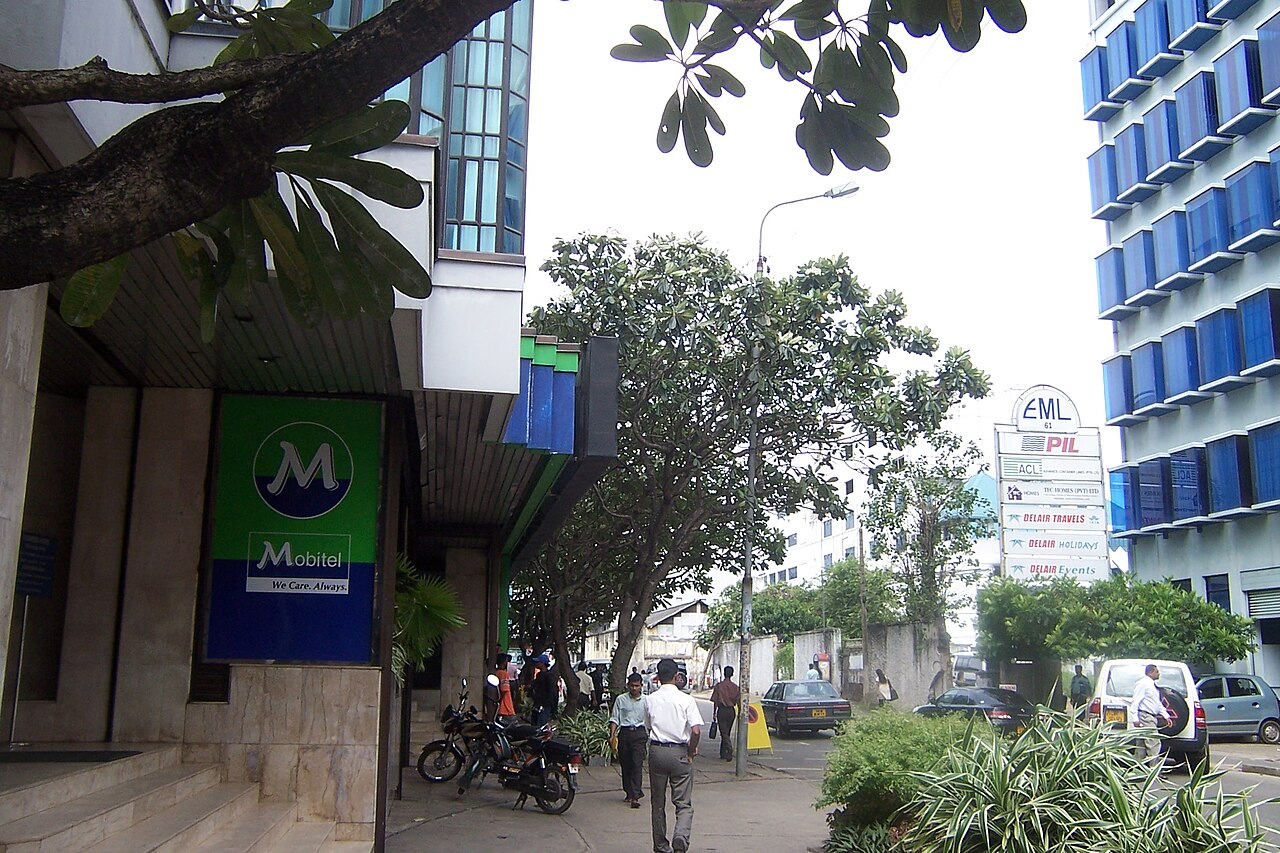
SLT-Mobitel: The State-Backed Operator, Reviewed
Mobitel — formally Sri Lanka Telecom Mobitel since the 2021 group restructuring — is the country's second-largest mobile network and the only operator with a state shareholder. A review of its public plan listings, its rural coverage, and how its position in the SLT group shapes what it offers subscribers.
 Operators
Hutch: The Smaller Operator, on the Ground
Hutch — Hutchison Telecommunications Lanka — is the smallest of Sri Lanka's four national mobile operators by subscriber count, and the one our editors find most often misrepresented in foreign-language coverage. A review of what the network is currently publishing and what its smaller scale means in practice for everyday users.